Billy Bishop Opens U.S. Preclearance Facility on March 10
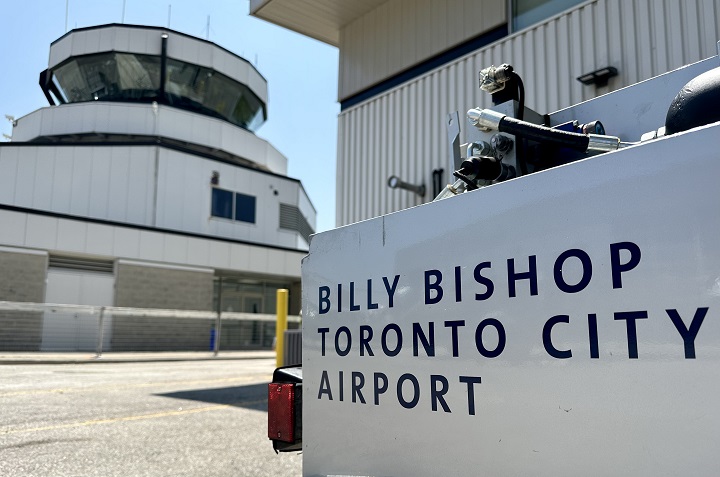
Billy Bishop Toronto City Airport officially began U.S. Customs and Border Protection preclearance on March 10, 2026, a long-planned change that materially improves the airport’s appeal for downtown Toronto travellers heading south of the border. U.S.-bound passengers can now complete customs, immigration, and agriculture inspection before boarding at YTZ, then arrive in the United States as domestic arrivals.
That shift matters because Billy Bishop’s main selling point has always been convenience: a small terminal, short walks, and a location close to downtown Toronto. Until now, one of the airport’s biggest drawbacks for transborder flying was that travellers still had to clear U.S. formalities on arrival, often at busy American airports. With preclearance now in place, Billy Bishop joins the group of Canadian airports offering that advantage and becomes the ninth airport in Canada with U.S. preclearance.
For Toronto-based business travellers, weekend flyers, and anyone who values avoiding Pearson when possible, this is one of the more practical airport upgrades in Canada so far in 2026. It will not make every Billy Bishop flight cheaper, but it should make many U.S. trips smoother and more predictable.
What preclearance means in practice
Preclearance means passengers complete U.S. entry screening before departure rather than after landing. At Billy Bishop, the process now works in this order: check in and drop bags if needed, clear CATSA security, complete U.S. CBP inspection, and then wait in the transborder lounge for boarding. Once you land in the United States, there are no further customs or immigration inspections for that journey in the normal course of travel.
That can be especially useful if you are connecting onward within the U.S. Since you arrive as a domestic passenger, you avoid joining the international arrivals queue at your first U.S. airport. For travellers connecting to smaller U.S. cities or trying to keep a same-day business itinerary on track, that can remove one of the more unpredictable parts of cross-border travel.
There is also a network effect here. The airport and governments have framed preclearance as a way to support additional U.S. access and stronger cross-border connectivity from downtown Toronto. That does not guarantee a flood of new routes immediately, but it does remove a structural limitation that had long held Billy Bishop back versus larger airports.
Why this is significant for Billy Bishop specifically
Billy Bishop is not just another airport adding an amenity. Preclearance addresses one of the biggest competitive gaps between YTZ and Toronto Pearson for U.S. travel. Pearson already had the advantage of a broad transborder network and established preclearance facilities; Billy Bishop had the downtown location, but not the same border-processing convenience. As of March 10, that gap has narrowed meaningfully.
The timing is also important. Transport Canada said the Billy Bishop facility is Canada’s first new U.S. CBP preclearance facility in 25 years, which underlines how rare these openings are. This was not a routine terminal tweak but the result of a multi-year infrastructure and regulatory process involving Canadian and U.S. authorities.
For travellers in Toronto’s core, the value proposition is straightforward: if you can start your U.S. trip at Billy Bishop, you may be able to trade Pearson’s longer trip to the airport and larger terminal environment for a shorter door-to-gate experience overall. That calculus will not be the same for every passenger, but for many downtown or west-end residents, YTZ just became materially more useful.
Which flights and airlines benefit
The immediate winners are the airlines building out U.S. service from Billy Bishop. Porter, the airport’s largest airline, has already described the opening as a major enhancement for the hundreds of thousands of passengers it carries on U.S. routes each year. Porter also noted that check-in and baggage drop for U.S. flights now close 60 minutes before departure, reflecting the additional time needed for preclearance processing.
Air Canada is also set to benefit from the new facility as it expands transborder service from Billy Bishop in spring 2026. The airline previously announced new U.S. routes from YTZ to New York LaGuardia starting March 29, 2026, followed by Boston Logan, Chicago O’Hare, and Washington Dulles on June 1, 2026. Air Canada explicitly tied the start of those flights to the opening of U.S. preclearance at Billy Bishop.
What travellers should know before using it
The convenience upgrade does not mean you should show up late. Billy Bishop’s own guidance says all U.S.-bound passengers now go through preclearance and should plan accordingly, because the process can take time just like any other international border inspection. Travellers need a valid passport, and non-Canadian citizens may also need a visa or ESTA, depending on nationality.
The airport also recommends the U.S. CBP Mobile Passport Control app, which may help reduce wait times, especially for families and larger groups. It does not replace a passport, but it can streamline part of the process for eligible travellers.
One more detail worth noting is cost. Billy Bishop says the facility is operating under a self-funded model and that a per-enplanement CBP user fee applies to U.S.-bound commercial passengers. For the first year, the airport lists that fee at $22.50 CAD per passenger. That is a real tradeoff: passengers gain convenience, but there is also now a visible cost tied to operating preclearance at a smaller airport.
Is it worth choosing Billy Bishop over Pearson for U.S. trips?
For many Toronto travellers, yes, at least in the right circumstances. If you live or work downtown and are flying nonstop to a U.S. city served from YTZ, preclearance strengthens Billy Bishop’s case considerably. You keep the airport’s core advantages, including easier access and a smaller terminal, while removing much of the friction that used to happen after landing in the U.S.
That said, Pearson still offers much broader airline choice, more destinations, more alliance connectivity, and more premium lounge options. If your itinerary depends on a specific network, fare, aircraft type, or long-haul connection, Pearson will often remain the better fit. Billy Bishop’s win is not breadth; it is efficiency for a narrower set of routes.
For points and loyalty travellers, this could become more relevant as route options grow. Aeroplan members, for example, may increasingly find YTZ-originating U.S. itineraries attractive as Air Canada builds service from the island airport. If you want a broader overview of how that program works, see our Aeroplan Points Guide, and if you are comparing cards for Air Canada and other travel programs, our compare cards page is a useful place to start.
Conclusion
If you are flying from Billy Bishop to the U.S. on or after March 10, 2026, you should now expect to clear U.S. customs, immigration, and agriculture inspection before boarding at YTZ. Arrive earlier than you might for a domestic flight, bring the right documents, and be aware that a $22.50 CAD CBP user fee is being applied to U.S.-bound passengers under the airport’s self-funded model. (billybishopairport.com)
For downtown Toronto travellers, this is a meaningful improvement rather than a symbolic one. Billy Bishop is now better positioned as a practical alternative to Pearson for transborder trips, especially on short nonstop routes where saving time on both the ground trip and U.S. arrival process can make a noticeable difference.